The Large Scale Economic Benefits of Ecological Restoration

REPORT SUMMARY BY THE ECOLOGICAL WORKFORCE INITIATIVE
JANUARY 2026
MAKING THE CASE
COMPOUNDING BENEFITS
FIVE STEPS TO GET IT DONE
A NEW ECONOMIC
SECTOR EMERGES
For generations, public debate has treated the economy and the environment as adversaries — the assumption being that what benefits one must burden the other. That assumption is not only wrong, but dangerously outdated.
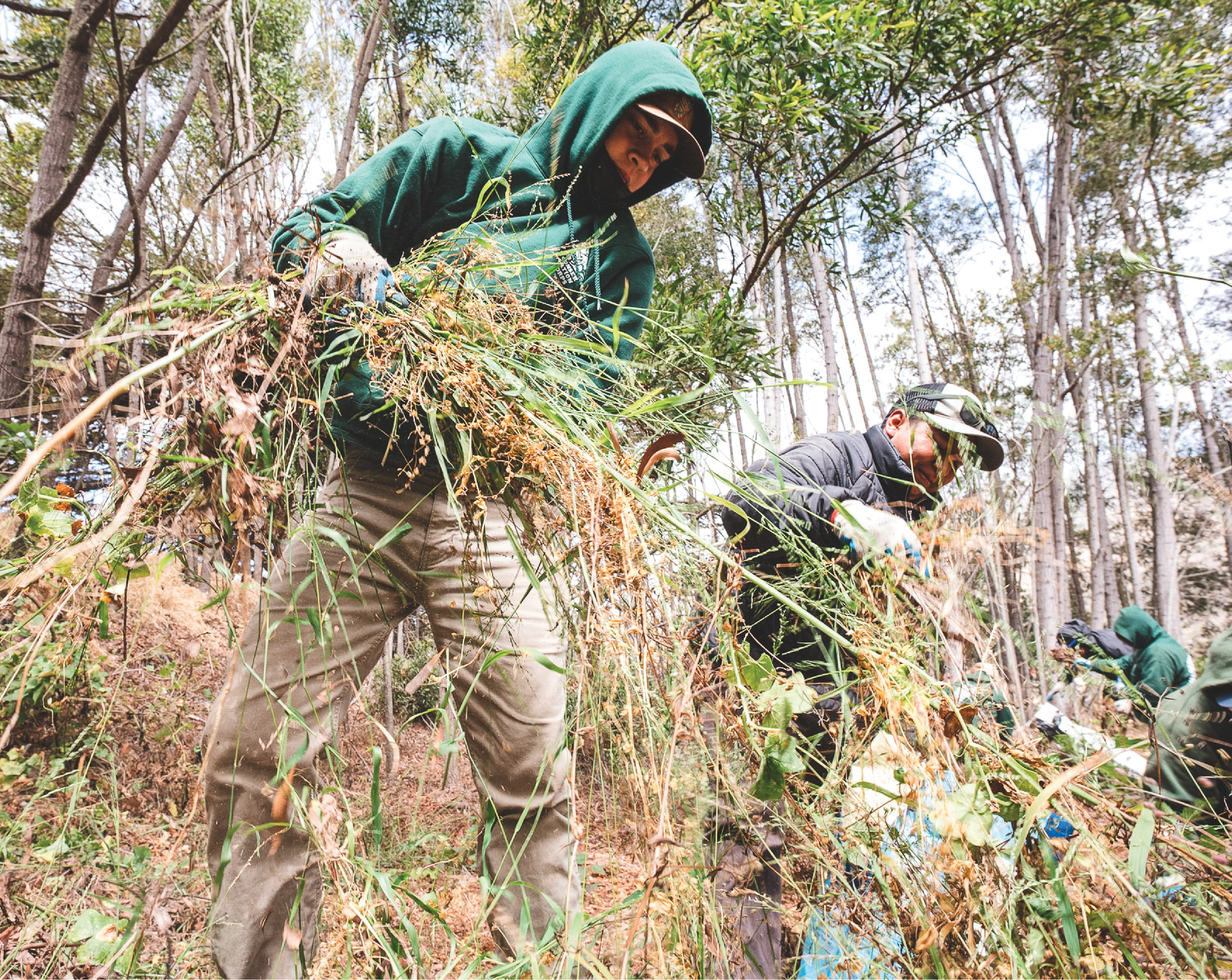
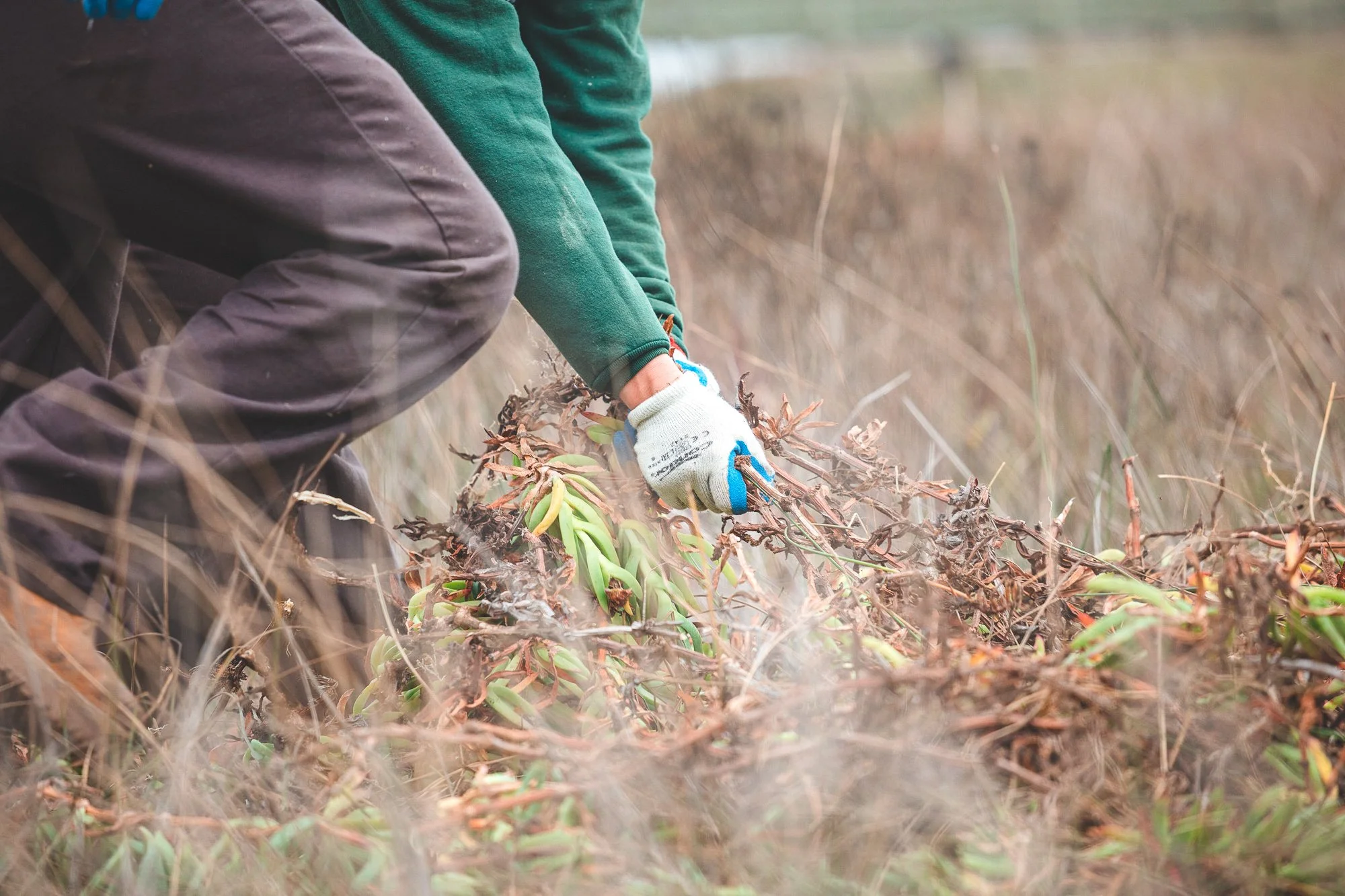
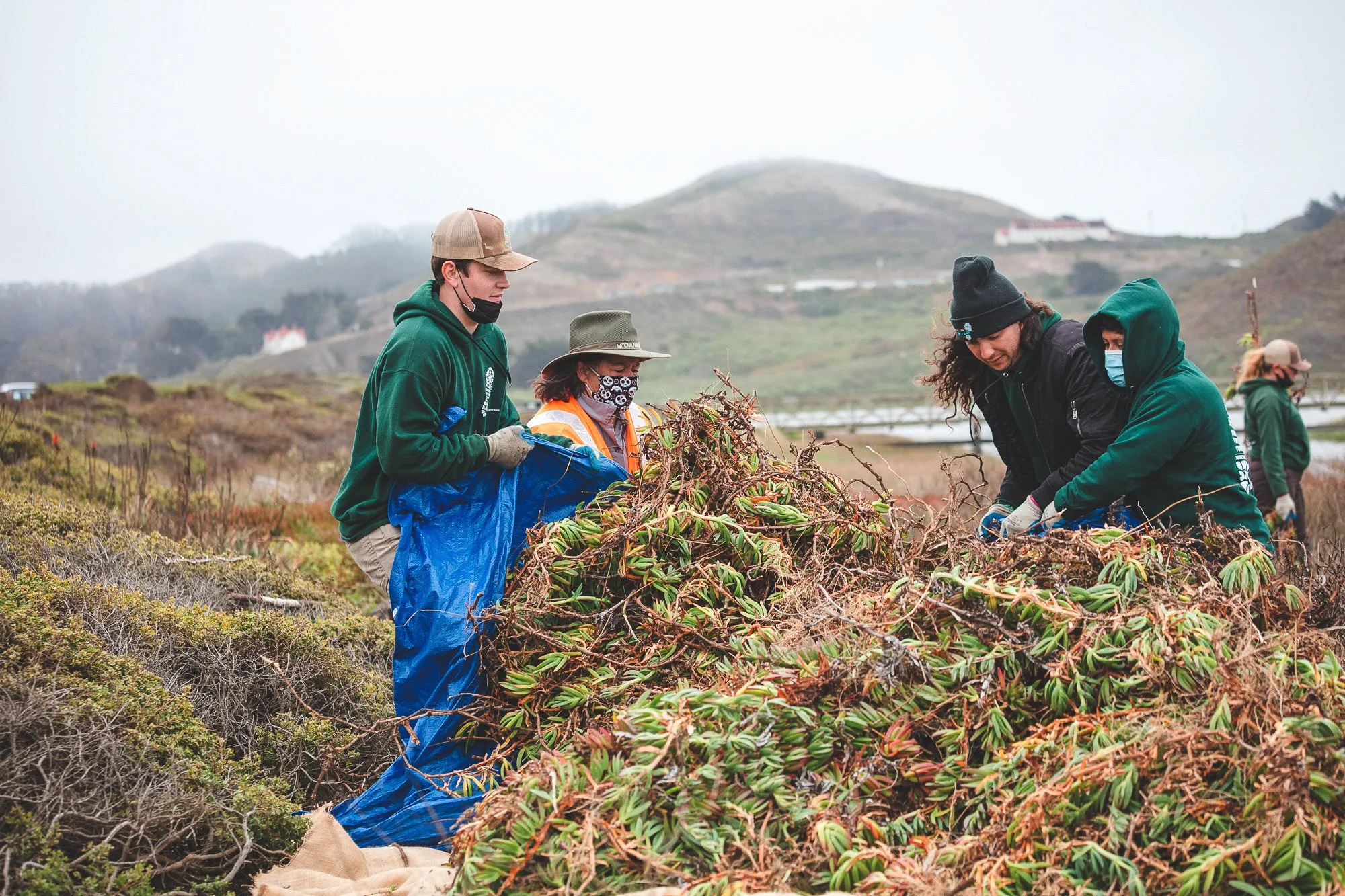
Across California, thousands of skilled workers are quietly rebuilding wetlands, forests, floodplains, shorelines, and watersheds. This has resulted in a significant and growing economic sector.
The case is clear: Ecological restoration is already doing the work of an economic sector. Formal recognition turns overlooked value into deeper, visible impact.
the
challenge
There is a critical gap in how this work is measured and reported. Restoration is spread across multiple classifications, counted partly as construction, consulting and conservation, so its full economic contribution is never captured.
CASE STUDY
The outdoor recreation industry offers an instructive and encouraging parallel. Before the Outdoor Industry Association organized as a formal sector and persuaded the Bureau of Economic Analysis to measure is contributions, outdoor recreation was similarly fragmented and undervalued.
Once counted, the BEA found it represented 2% of U.S. GDP and supported 4.2 million jobs. Capital followed. Policy wins followed. Ecological restoration stands at the same threshold today — and the path forward is well-marked.
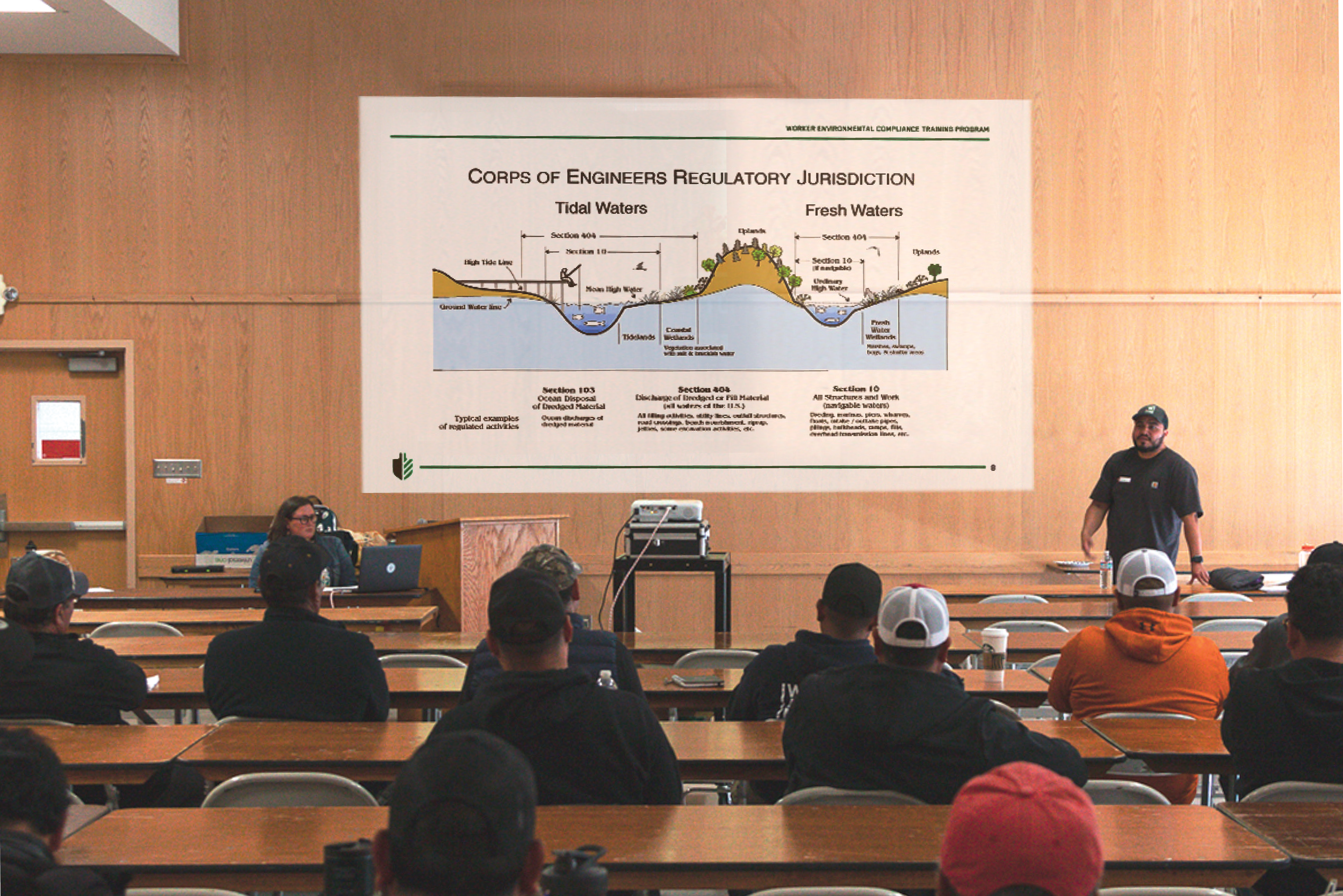
The result is a blind spot: a large, productive sector that remains invisible to policymakers, investors, and the public. The consequences are real. Without recognition, restoration lacks a seat at the table.
Funding stays episodic, not strategic. Workers lack clear career paths and training pipelines. And investors, without reliable data, hold back.
MAKING THE CASE
COMPOUNDING BENEFITS
FIVE STEPS TO GET IT DONE
THE DATA IS CLEAR: RESTORATION IS A SIGNIFICANT ECONOMIC FORCE
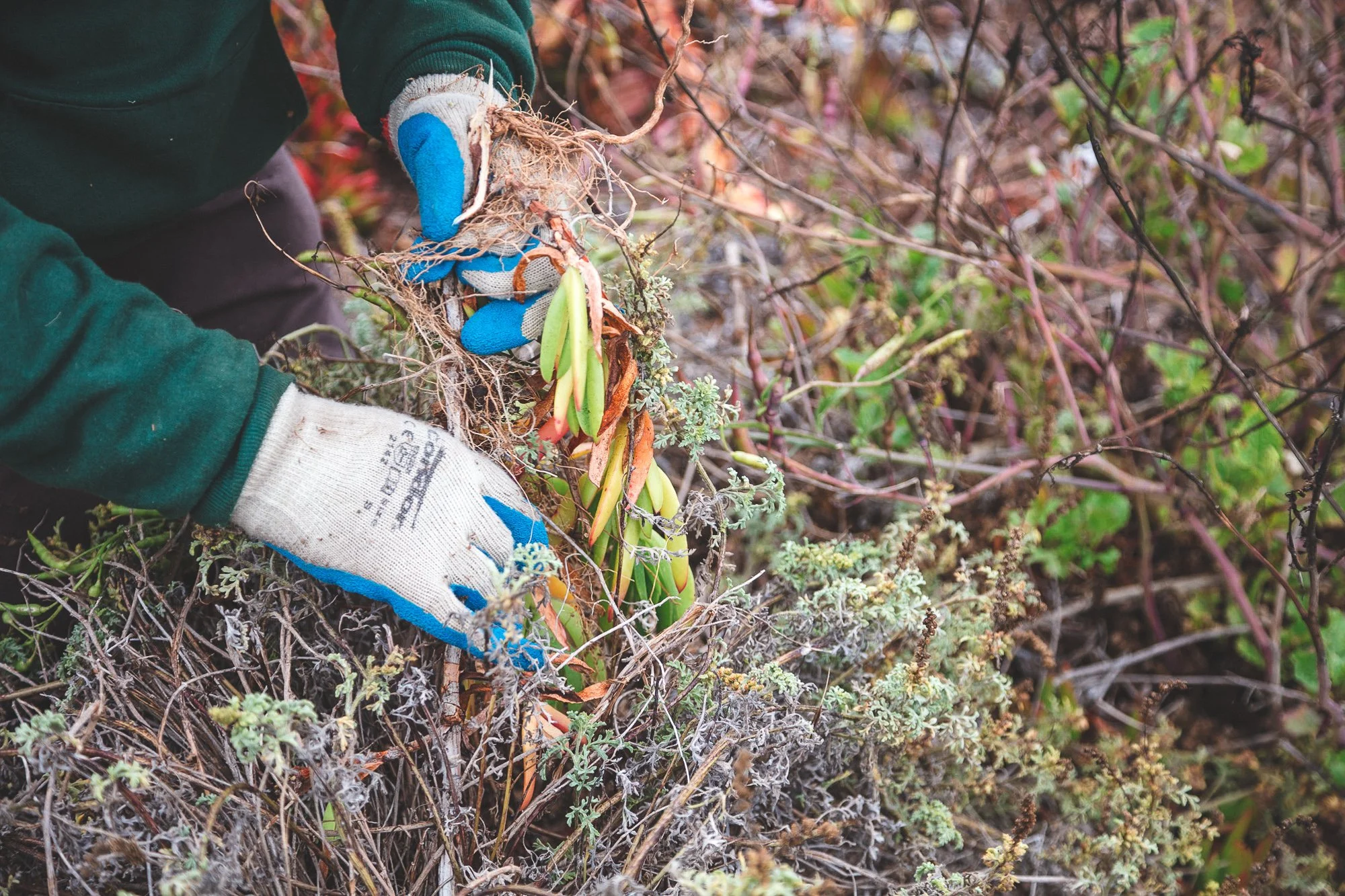
In a 2015 national survey, researcher Todd BenDor found that the ecological restoration economy directly employed 126,000 workers and generated $9.5 billion in annual economic output — exceeding employment in iron and steel mills, coal mining, and logging.
2025 ECONOMIC ANALYSIS ACROSS TWO COUNTIES
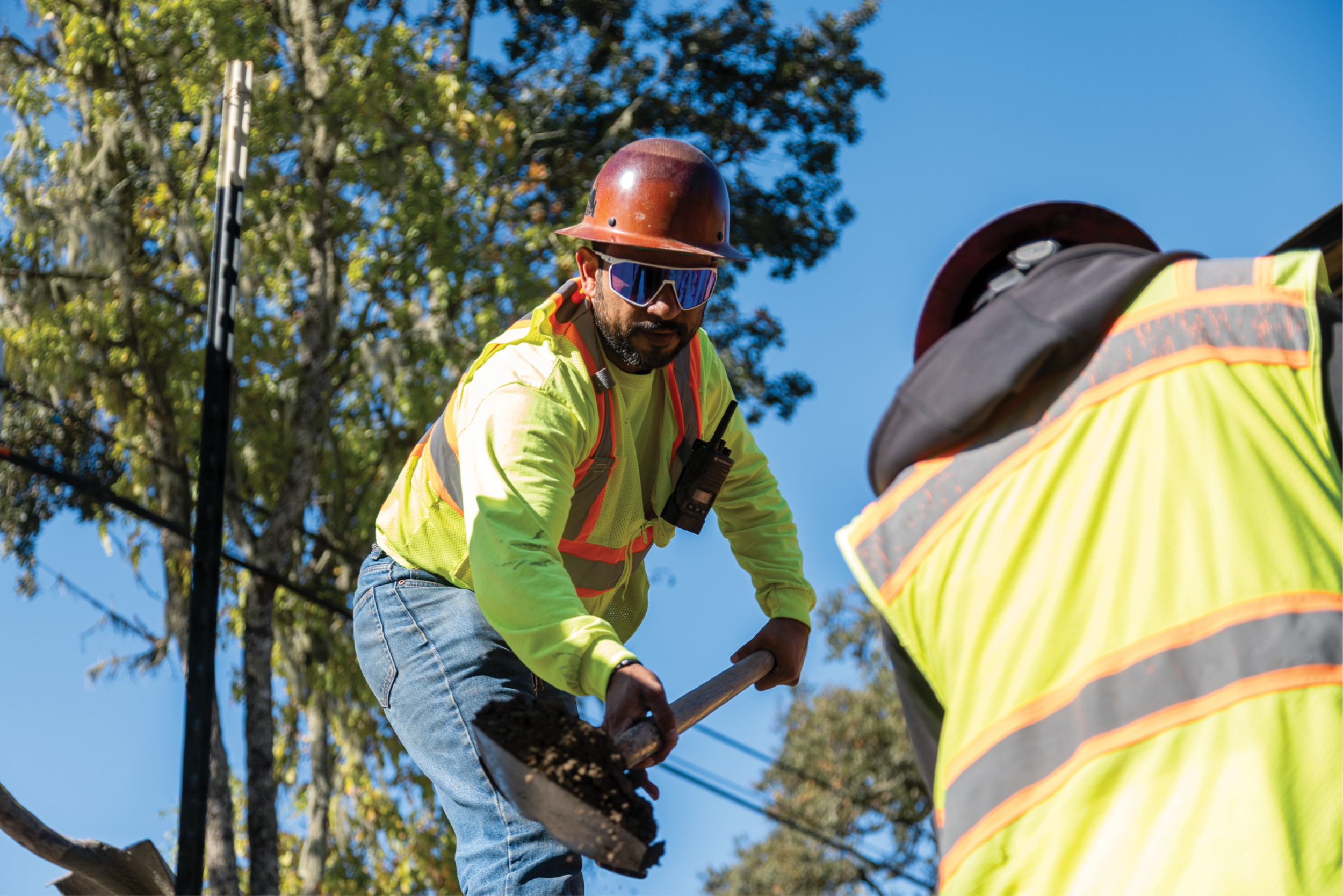
Restoration projects planned over five years in Del Norte and Humboldt Counties found that those projects alone could deliver $87 million in construction wages, support over 1,000 trade work positions, and generate $235 million in direct and $410 million in indirect economic impact. These are skilled, above-average-wage jobs that don't require a college degree, paying between $42,000 and $108,000 per year — well above per capita income in both counties.
PROPOSITION 4
California's 2024 $10 billion climate bond, illustrates the scale of investment at stake. The bond was debated almost entirely in ecological terms — wildfire resilience, drought, flood protection — yet its most immediate effect is creating good jobs. On average approximately 70% of restoration project funding flows to construction contractors, with up to 40% going directly to workers. That's a jobs story worth telling.
Compounding Benefits
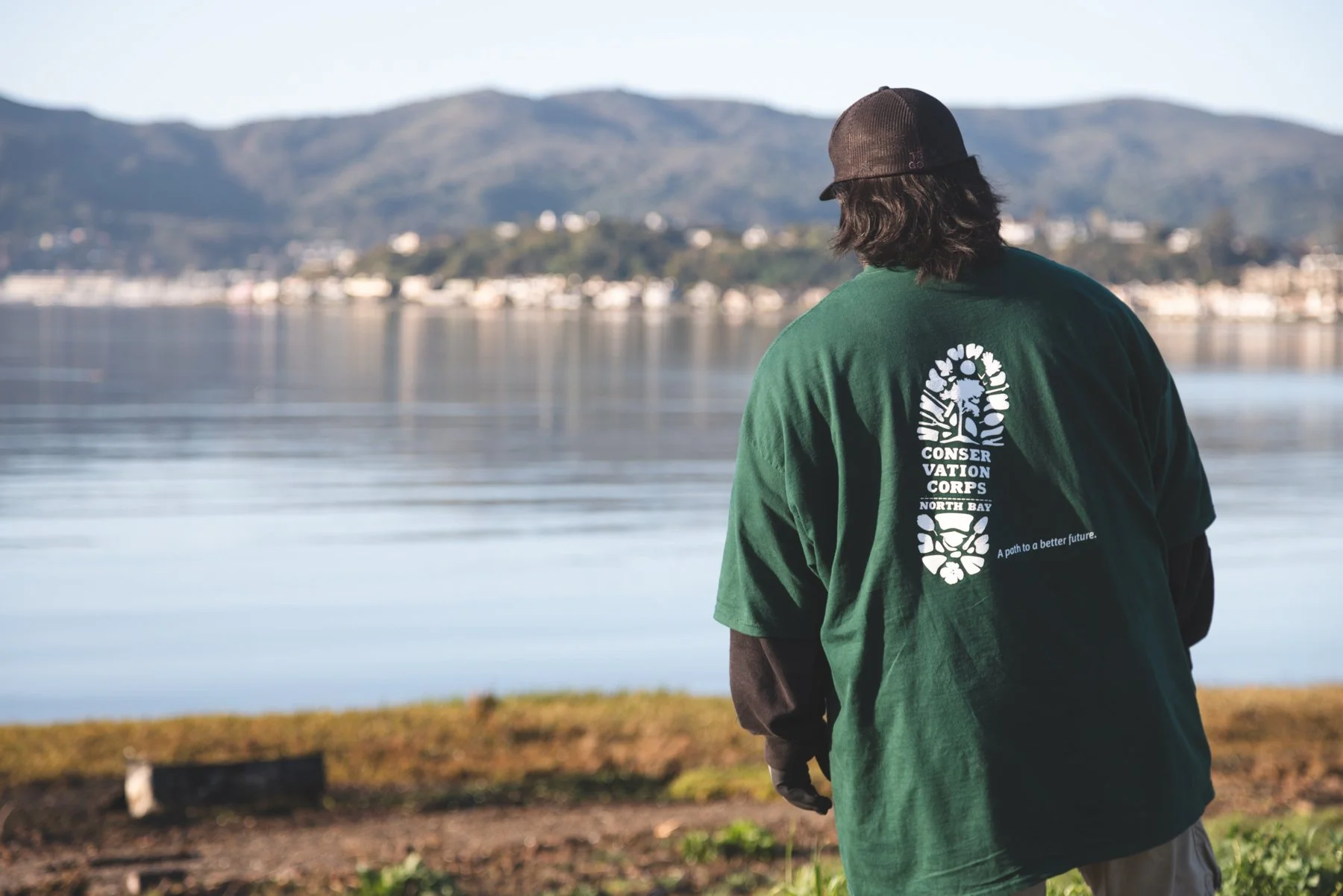
ECOLOGY
Cleaner water, improved biodiversity, climate resilience, and reduced disaster risk. California has already demonstrated its commitment on this front — from Cutting Green Tape and 30x30 to the overwhelming passage of Proposition 4, the $10 billion climate bond, in November 2024. The science is clear, and California is already acting on it.
ECONOMY
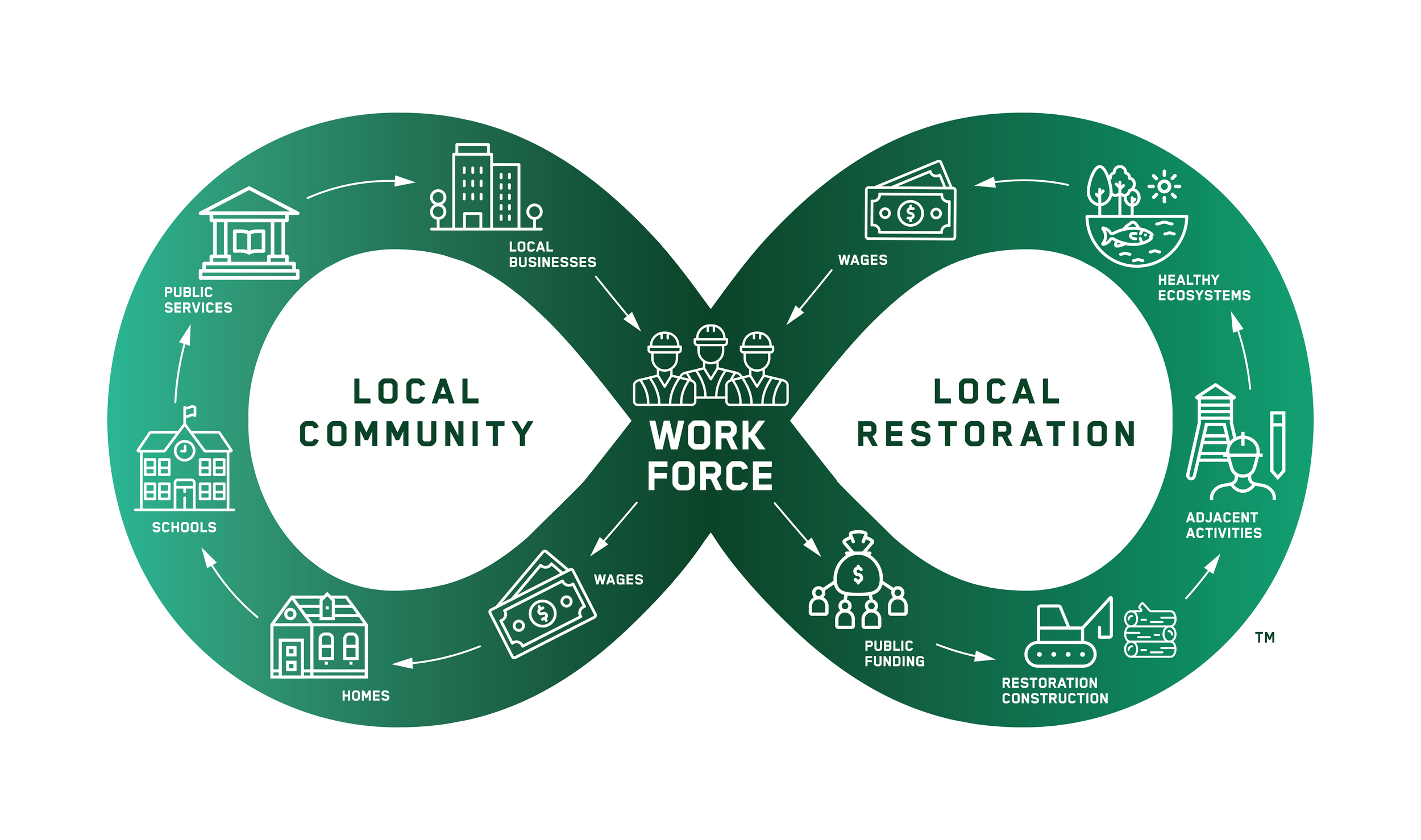
Are the most immediately quantifiable: job creation, wage growth, tax revenue, and the attraction of private and institutional investment. Formal recognition will enable performance-based financing, public-private partnerships, and bonds backed by reliable metrics — moving restoration from a grant-funded activity to a genuine investable asset class.
POLITICS
Political benefit may be the most under appreciated of all: when restoration is understood as a jobs engine, it builds broader and more durable coalitions — bringing together workers, contractors, rural communities, and urban voters who can all see themselves as stakeholders. It's worth noting that many workers whose livelihoods depend directly on restoration funding don't yet know it — and may even be voting against the policies that support their wages. Formal recognition connects those dots and opens the door to meaningful bipartisan support.
MAKING THE CASE
COMPOUNDING BENEFITS
FIVE STEPS TO GET IT DONE
ROAD MAP TO
FORMALIZE THE SECTOR
1
Restoration must be consistently framed as what it is - a people-first investment — one whose most immediate output is good, well-paying jobs.
2
Key allies and organizations should come together through a new Ecological Restoration Collaborative, building the coalition that formal recognition requires.
3
A public awareness campaign — modeled on the Outdoor Industry Association's successful 2017 effort — would bring the human face of this work to broader audiences through storytelling and real world examples.
4
Dedicated industry and occupation codes must be established through NAICS and O*NET, making systematic measurement finally possible.
5
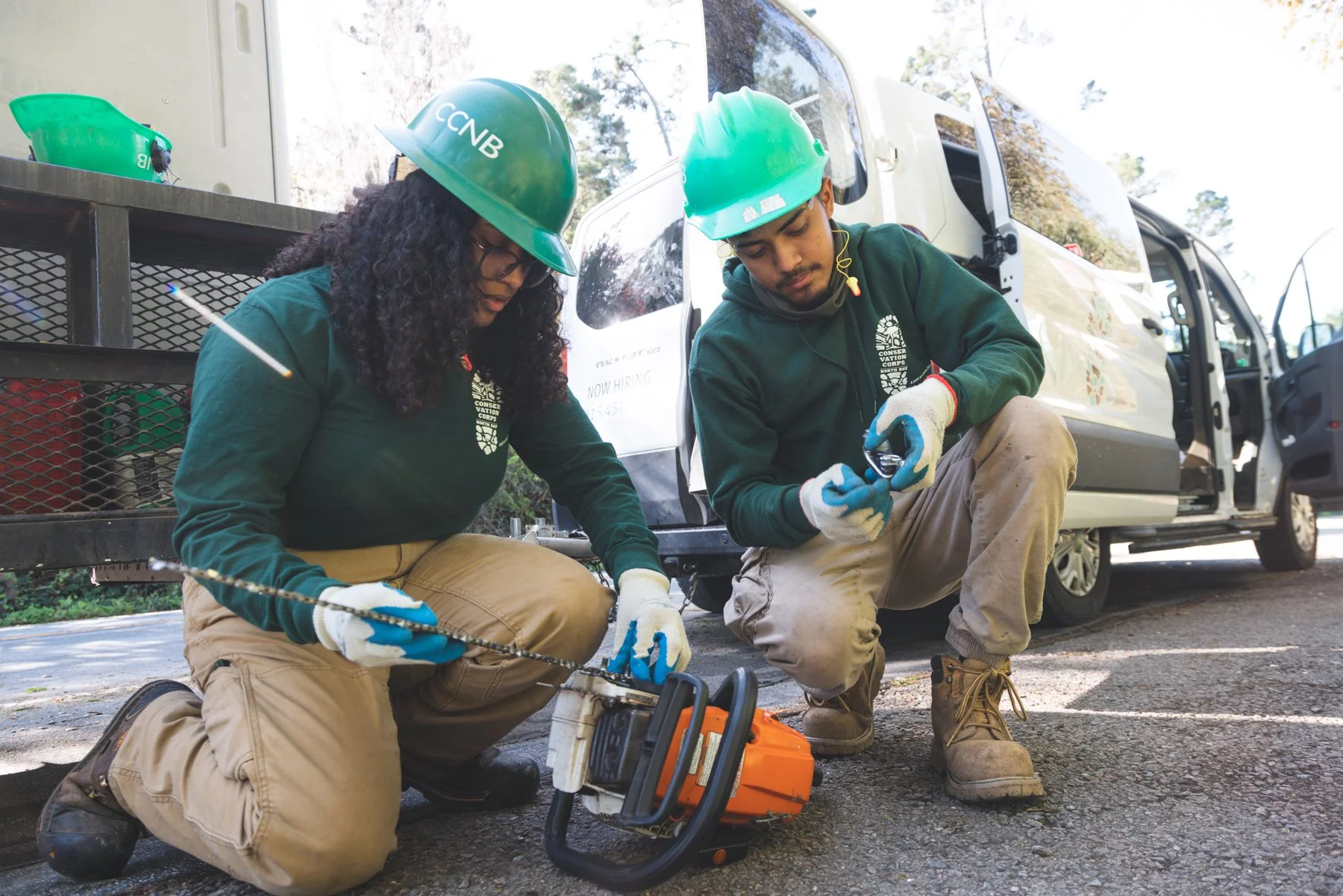
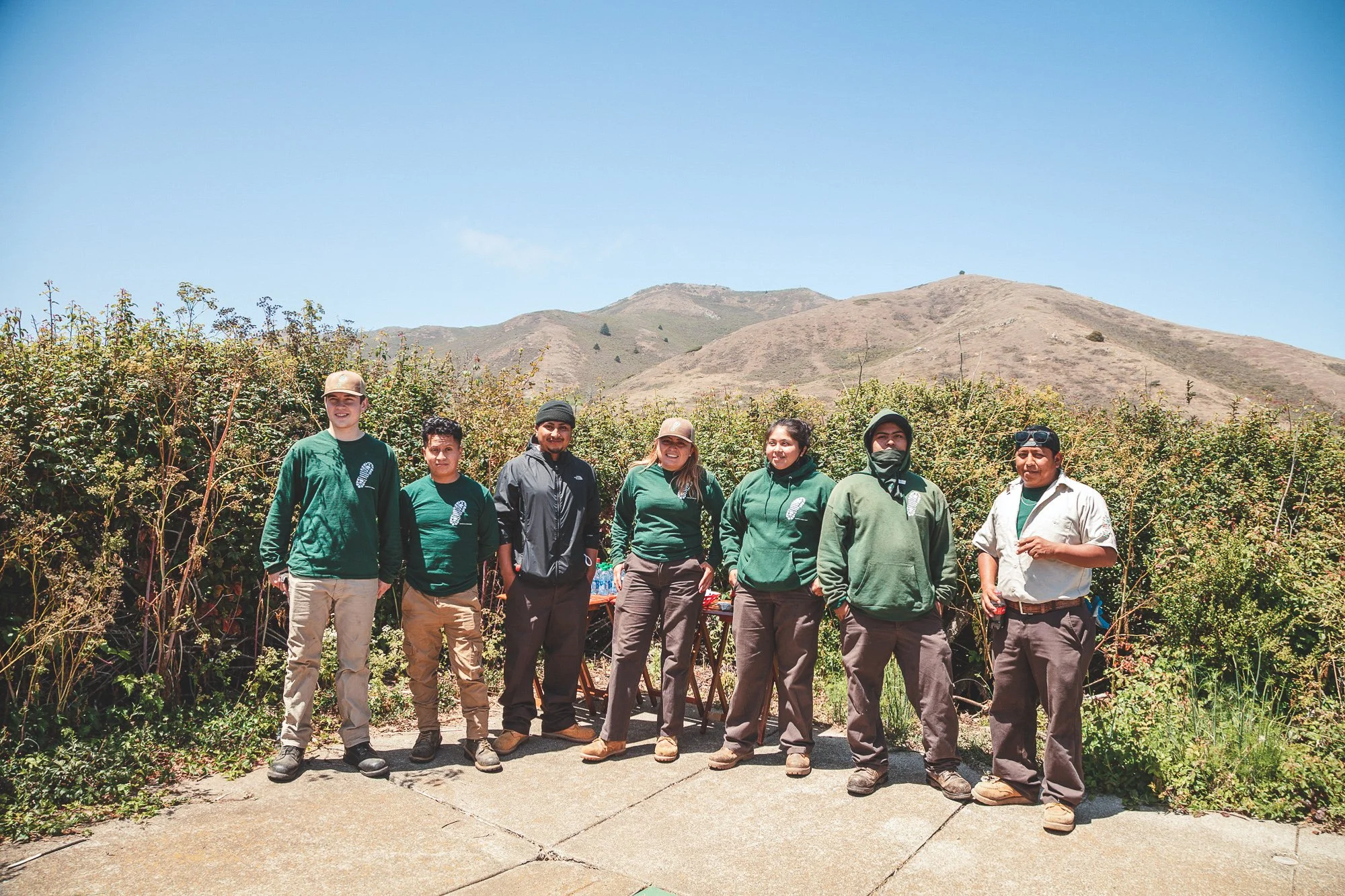
Improved training and apprenticeships for ecological trade workers. The largest, least recognized, and most socioeconomically diverse part of the ecological workforce — deserve to be elevated, and celebrated as the skilled professionals they are.
CALIFORNIA LEADERSHIP
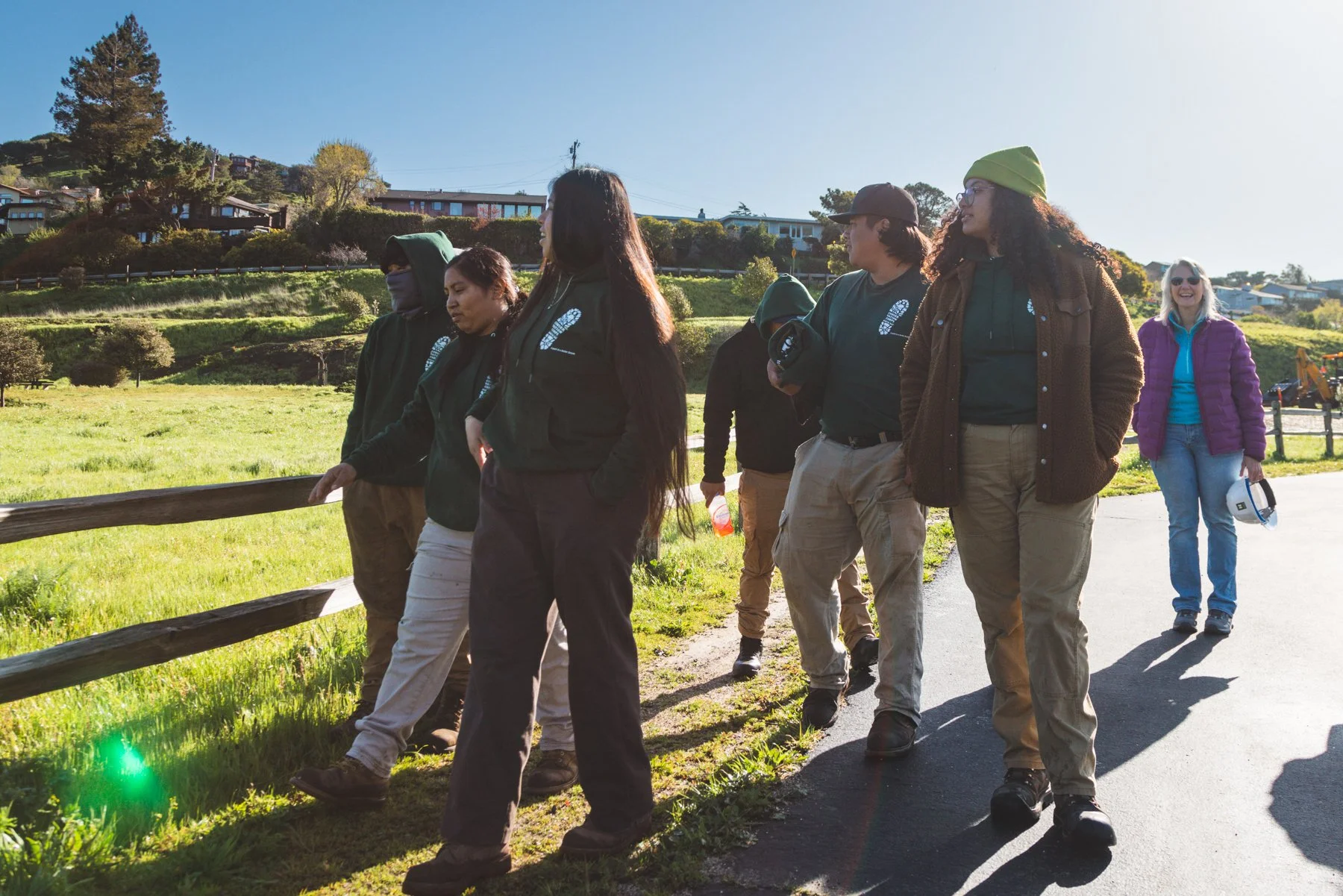
No state has done more to integrate environmental stewardship with economic innovation. From land conservation, habitat restoration, rising sea level to clean water, projects are already underway and growing exponentially, the workers are already on the ground with more trained workers desperately needed, and the public and private investment is expanding.
conclusion
Ecology = Economy is a call to action.
Recognizing ecological restoration as a formal sector is like coming upon a vast underground aquifer. Once brought to the surface, it can sustain and accelerate everything that needs to happen — ecologically, economically, and politically.
Ecological restoration is not a niche conservation activity — it is a growing industry that creates real, accessible jobs, revitalizes communities, and sustains the natural systems on which every other sector depends. California has the opportunity to prove that to the world, and in doing so, to once again lead the way. That's an opportunity worth seizing.
JOIN the initiative
CONTACT: Sally Bolger
Executive Director
Ecological Workforce Initiative
(415)218-9818